IT band syndrome · Stretches
IT Band Stretches: 6 Stretches with a Printable PDF
Six stretches for a tight IT band and the muscles around it (the outer hip, buttock, front of the hip and thigh), with pictures and a printable PDF. Pair them with hip strengthening for lasting results.
Reviewed by a licensed physical therapist on the HEPonDemand team
For therapists: opens the program builder with these 6 exercises. Set the sets and reps, then print it or email it to your patient as a PDF. Your first programs are free.
The exercises
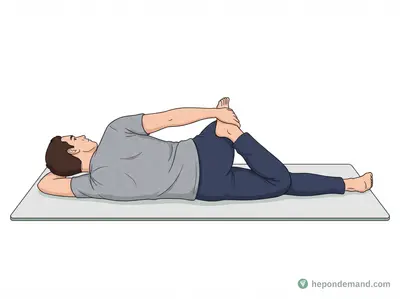
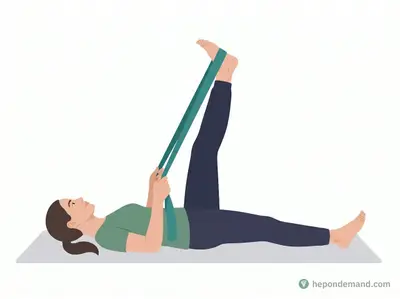
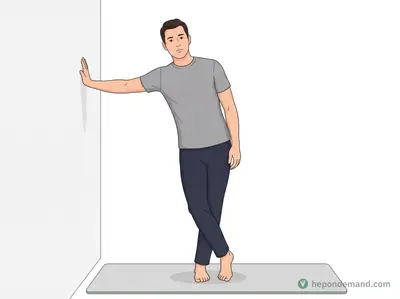
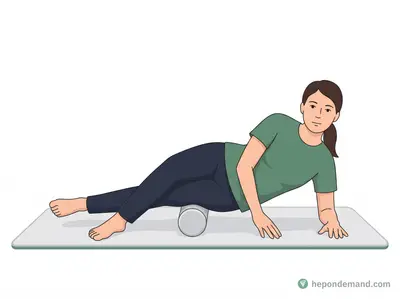
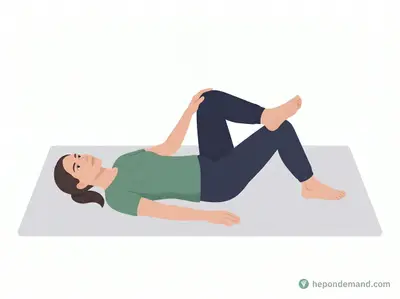
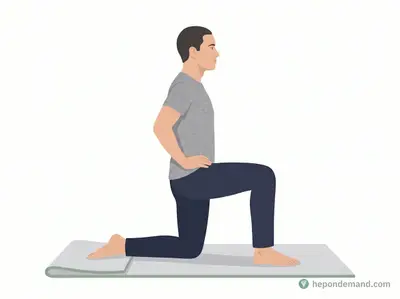
- 1.Standing IT Band Stretch
- 2.Foam Roll IT Band
- 3.Supine Piriformis Stretch
- 4.Half-Kneeling Hip Flexor Stretch
- 5.Side-Lying Quad Stretch
- 6.Supine Hamstring Stretch with Strap
Every recovery is different. Do only the exercises your surgeon or therapist gives you, with the sets, reps and frequency they set. Stop and check with them if you feel sharp pain. This page is general information, not medical advice.
What the IT band is
The IT band (iliotibial band) is a thick band of tissue that runs down the outside of the thigh, from the hip to just below the knee. When it and the muscles around it get tight or irritated, the outside of the knee or hip can ache, especially with running, cycling or stairs.
How to do these stretches
- Move into each stretch slowly until you feel a gentle pull, not pain.
- Hold steadily, without bouncing, and breathe normally.
- Do both sides, unless your therapist tells you otherwise.
- Use the foam roller gently. Roll the side of the thigh slowly and skip any spot that feels sharp.
Stretching alone usually isn't enough
Stretches ease tightness, but weak hip muscles often let the knee drift inward and load the IT band. Pair these stretches with hip strengthening, like the IT band syndrome program, which adds clamshells, side-lying leg raises, hip hikes and step-ups.
When to check with a therapist
Stop and check with your therapist or doctor if pain is sharp, gets worse, or comes with swelling, numbness or a knee that locks or gives way.